Welcome to VANJOIN. Your satisfaction is our biggest pursuit.

When it comes to choosing the right exterior siding for your home, homeowners often face a difficult decision: composite siding vs wood siding. Both materials have their advantages and drawbacks, and making the right choice can affect the aesthetics, durability, maintenance, and overall cost of your home for years to come. In this comprehensive guide, we will explore everything you need to know about composite siding and wood siding, helping you make an informed decision.
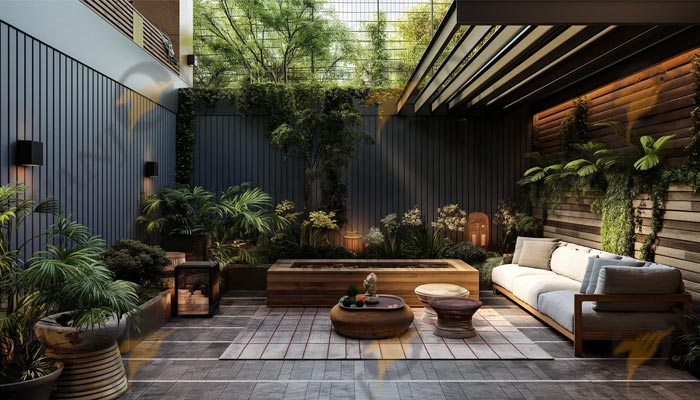
What Is Composite Siding?
Composite siding is an engineered material made by combining wood fibers, recycled plastics, or other natural fibers with resins or binders. The resulting material is designed to mimic the appearance of real wood while providing enhanced durability, lower maintenance, and improved resistance to weather, pests, and rot.
Composite siding is available in a variety of styles, including clapboard, shingles, panels, and shakes. Many modern composite sidings come pre-painted or pre-stained, offering homeowners a wide range of colors and finishes that remain vibrant for years.
Key Characteristics of Composite Siding
* Durability: Composite siding is engineered to resist cracking, warping, and splitting, even in extreme weather conditions.
* Low Maintenance: Unlike wood, composite siding does not require frequent painting or sealing. Occasional washing is usually sufficient.
* Pest and Rot Resistance: Composite materials are typically resistant to termites, carpenter ants, and moisture-related decay.
* Eco-Friendly Options: Many composite sidings are made from recycled wood fibers and plastics, making them a sustainable choice.
* Versatility: Available in various textures, finishes, and colors, composite siding can replicate the look of traditional wood without the drawbacks.
What Is Wood Siding?
Wood siding, also known as natural wood siding, is made from solid lumber. Common wood types used for siding include cedar, redwood, pine, and fir. Wood siding has been a classic choice for residential exteriors for centuries, offering a natural, warm aesthetic that is difficult to replicate with synthetic materials.
Key Characteristics of Wood Siding
* Aesthetic Appeal: Wood siding has a natural beauty, unique grain patterns, and texture that adds character to any home.
* Variety of Styles: Available in clapboard, shingles, shakes, and board-and-batten styles, wood siding allows for diverse architectural designs.
* Workability: Wood is easy to cut, shape, and customize during installation.
* Natural Insulation: Wood siding provides moderate insulation, helping regulate indoor temperatures.
* Requires Maintenance: To prevent decay, rot, and insect damage, wood siding must be regularly painted, stained, and sealed.
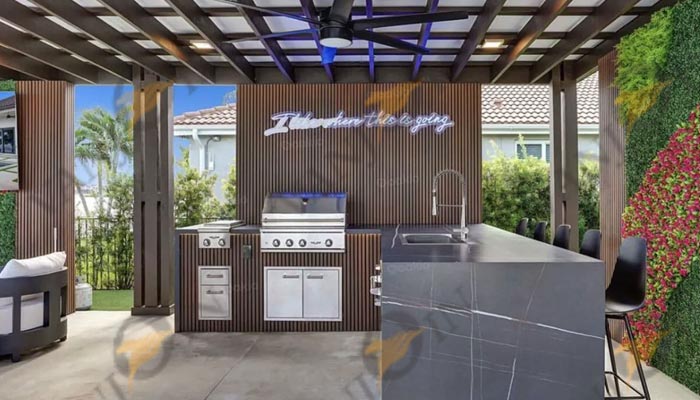
Composite Siding vs Wood Siding: Durability
Durability is often the most important factor when selecting siding.
* Composite Siding: One of the standout features of composite siding is its durability. Composite materials are designed to withstand moisture, heavy winds, and harsh UV rays without warping or rotting. Many composite sidings come with warranties ranging from 25 to 50 years, reflecting their long-lasting performance.
* Wood Siding: While solid wood can last decades with proper care, it is more vulnerable to environmental damage. Moisture, insects, and sun exposure can cause wood to warp, crack, or decay over time. Even premium wood like cedar requires frequent maintenance to ensure longevity.
Winner: Composite siding generally outperforms wood siding in durability and long-term resistance to damage.
Maintenance Requirements
Maintenance can significantly impact the overall cost and effort required for your siding.
* Composite Siding: Requires minimal upkeep. Occasional cleaning with soap and water is typically sufficient. Some composite siding may require repainting every 15–20 years, but many modern products come pre-finished with long-lasting coatings.
* Wood Siding: Demands regular maintenance to keep it looking its best. Homeowners often need to repaint or restain every 3–5 years, and inspect for insect infestations, rot, or cracks. Neglecting maintenance can lead to costly repairs.
Winner: Composite siding wins in terms of low-maintenance convenience.
Aesthetic Appeal
When it comes to appearance, wood siding is hard to beat for traditional beauty, while composite siding has made tremendous strides in mimicking natural wood.
* Wood Siding: Offers unmatched natural grain, warmth, and authenticity. No two boards are identical, which gives a home a unique character. It is ideal for historic homes or those seeking a classic, timeless look.
* Composite Siding: Advanced manufacturing techniques allow composite siding to replicate the appearance of wood, including textures and patterns. While it may not perfectly match real wood up close, it often provides a visually similar effect with the benefit of color stability and uniformity.
Winner: Subjective—wood offers authentic natural beauty, but composite can closely mimic wood with less upkeep.
Cost Comparison
Budget is always a key consideration when choosing siding.
* Wood Siding: The initial cost of high-quality wood siding can be lower than premium composite siding. However, ongoing maintenance—painting, staining, and repairs—adds up over the life of the siding.
* Composite Siding: The upfront cost is generally higher than wood, but its long-term durability and minimal maintenance often make it more cost-effective over time.
| Feature | Wood Siding | Composite Siding |
|---|---|---|
| Initial Cost | Moderate | High |
| Maintenance | High | Low |
| Lifespan | 20–40 years (with maintenance) | 40–50+ years |
| Resistance to Pests & Rot | Low | High |
| Warranty | 10–20 years | 25–50 years |
Winner: Composite siding often provides better long-term value, despite higher initial costs.
Environmental Considerations
Sustainability is an increasingly important factor for many homeowners.
* Wood Siding: Natural wood is biodegradable and comes from a renewable resource, but it requires chemical treatments to resist rot and insects.
* Composite Siding: Many composite sidings are made from recycled materials, including reclaimed wood fibers and plastics. They are durable, reducing waste over time, and require fewer chemical treatments.
Winner: Composite siding has the edge in eco-friendly options, particularly if using products with high recycled content.
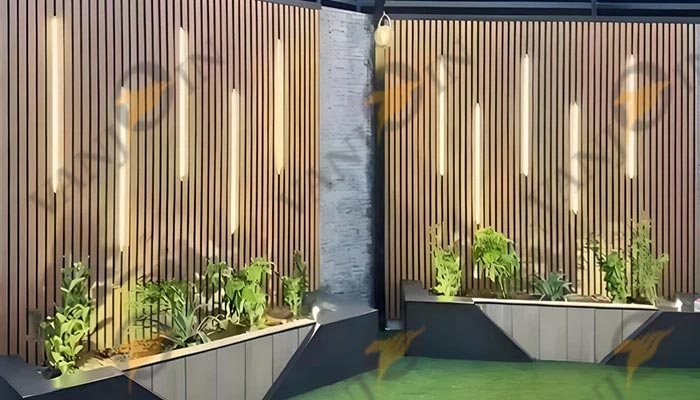
Installation and Labor
Ease of installation can affect the overall cost and timeline of your siding project.
* Wood Siding: Requires skilled labor for proper installation to ensure longevity and prevent gaps or moisture intrusion. Mistakes during installation can lead to problems later.
* Composite Siding: Many composite products are designed for straightforward installation, often interlocking or tongue-and-groove. They are heavier than wood in some cases, but professional installers can complete projects efficiently.
Winner: Composite siding is often easier and faster to install with modern systems.
Fire Resistance
Fire safety can be an important consideration, especially in areas prone to wildfires.
* Wood Siding: Natural wood is combustible and may require fire-retardant treatments.
* Composite Siding: Many composite sidings are manufactured with fire-resistant additives, improving safety and compliance with building codes.
Winner: Composite siding typically offers better fire resistance.
Longevity and Warranty
* Wood Siding: Properly maintained wood siding can last 20–40 years, depending on species and climate. Warranty coverage is often limited.
* Composite Siding: Can last 40–50 years or more, with warranties up to 50 years. This long lifespan, combined with minimal maintenance, is a major advantage for homeowners seeking low-hassle siding.
Winner: Composite siding provides superior longevity.
Color and Design Options
Modern composite siding offers homeowners a wide range of choices in color, texture, and design. Key points include:
Color Variety
* Available in classic neutrals (white, cream, gray) and bold colors (blue, deep brown, red).
* Pre-painted or pre-stained options ensure long-lasting, vibrant color.
* Maintains color consistency across panels without frequent repainting.
Texture and Pattern Options
Can mimic natural wood grain, cedar shakes, or reclaimed barn wood.
Embossed or grooved designs add depth and dimensionality.
Offers both traditional and modern aesthetics without compromising durability.
Customization Flexibility
Homeowners can achieve unique looks tailored to architectural style.
Consistent manufacturing prevents mismatched tones or imperfections.
Minimal maintenance preserves the designed appearance over decades.
Winner: Composite siding provides greater flexibility in color, texture, and design compared to wood siding, allowing for a vibrant, long-lasting, and customizable exterior.
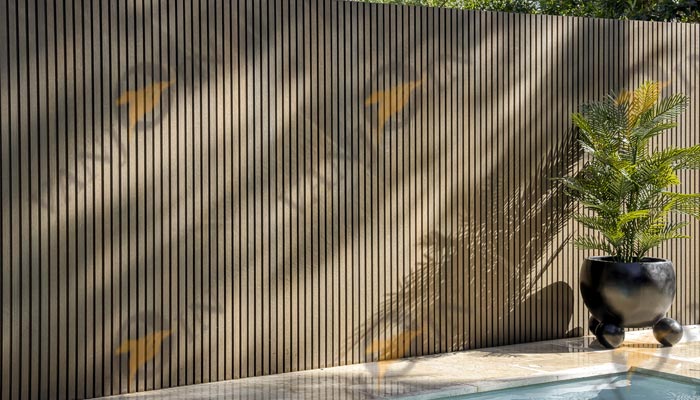
Weather Resistance
The ability of siding to withstand weather impacts is critical. Comparison points include:
Wood Siding Challenges
* Porous material absorbs moisture, leading to swelling, warping, and cracking.
* Susceptible to rot, decay, and insect damage, especially in humid or rainy climates.
* Requires ongoing maintenance such as painting, staining, or sealing to remain durable.
Composite Siding Advantages
* Engineered to resist moisture, rot, warping, and insect infestations.
* Maintains structural integrity under heavy rain, snow, heat, and UV exposure.
* Reduces the need for repairs or frequent maintenance.
Long-Term Performance
* Composite siding maintains both appearance and function for decades.
* Many products come with warranties ranging from 25 to 50 years.
* Provides homeowners with peace of mind in extreme climates.
Winner: Composite siding clearly outperforms wood siding in weather resistance, offering a durable, low-maintenance exterior suitable for any climate.
Noise Reduction and Insulation
Beyond aesthetics, siding impacts indoor comfort and energy efficiency. Key points:
Wood Siding Limitations
* Provides basic insulation but limited soundproofing.
* Less effective in maintaining stable indoor temperatures in extreme weather.
* May require additional insulation layers for energy efficiency.
Composite Siding Benefits
* Dense, layered construction reduces heat transfer and energy loss.
* Absorbs and blocks external noise, ideal for busy streets or urban areas.
* Some products include insulating cores or foam backing for enhanced thermal performance.
Practical Advantages
* Helps lower heating and cooling costs over time.
* Creates a quieter, more comfortable living environment.
* Combines functional performance with the visual appeal of wood-like textures.
Winner: Composite siding provides superior insulation and noise reduction, offering energy efficiency and enhanced comfort without the maintenance burdens of wood siding.
Choosing the Right Siding for Your Home
When deciding between composite siding vs wood siding, consider the following factors:
* Maintenance Commitment: If you prefer a low-maintenance option, composite siding is ideal.
* Budget: Wood siding may have a lower initial cost, but consider long-term maintenance expenses.
* Aesthetic Preference: For authentic wood appearance, wood siding wins. For a uniform look with color longevity, composite siding is better.
* Climate: In wet or extreme climates, composite siding will last longer with less risk of decay.
* Sustainability: If using recycled materials and long lifespan are priorities, composite siding is the eco-friendly choice.
Conclusion
Both wood siding and composite siding have their place in home construction and renovation. Wood siding offers timeless beauty and a natural look, but comes with higher maintenance and susceptibility to environmental damage. Composite siding, on the other hand, provides durability, low maintenance, fire resistance, and a wide range of design options. For homeowners seeking long-term value, reduced maintenance, and modern aesthetics, composite siding is often the superior choice.
Ultimately, the decision comes down to your priorities: whether you value the natural charm of wood or the practicality and longevity of composite materials. With careful consideration of your budget, maintenance tolerance, and desired aesthetic, you can choose siding that enhances your home’s beauty and performance for decades to come.
Want to get more about composite siding materials, welcome to contact Vanjoin!
+86(0)27 82801003


Add:Floor 14, Golden Block, Poly Champagne International Building, Hanxi No.1 Road, Qiaokou District, Wuhan City, Hubei Province, 430034 China

Got a question, comment or business enquiry? We are always happy to hear from you.